

Blood pressure, often referred to as the “silent killer,” affects millions globally, contributing to cardiovascular diseases, stroke, and kidney failure. One of the key lifestyle factors influencing blood pressure is alcohol consumption. While moderate drinking may have certain health benefits, excessive alcohol intake is a known risk factor for hypertension. Understanding how alcohol impacts blood pressure is essential for both individuals and healthcare professionals to make informed choices about consumption.
The relationship between alcohol and blood pressure has been a subject of extensive research, with findings often pointing to alcohol as a major contributor to hypertension. Given the rising rates of alcohol consumption worldwide, the need to understand this connection has never been more urgent. This article delves into the scientific background, methods, practical applications, and current findings related to alcohol and blood pressure, offering a comprehensive look at this significant health concern.
The relationship between alcohol and blood pressure dates back centuries, though scientific evidence on the matter has evolved significantly. Early medical writings suggested that alcohol could influence heart health, but the connection to blood pressure was not understood until the 20th century. Research in the 1950s and 1960s began to establish alcohol consumption as a potential risk factor for hypertension.
In the 1980s, epidemiological studies solidified the idea that heavy drinking leads to an increase in blood pressure. Over the decades, numerous clinical trials and longitudinal studies have provided more refined insights, showing that both the frequency and amount of alcohol consumed play crucial roles in determining the impact on blood pressure. These studies have not only helped shape guidelines for alcohol consumption but also have paved the way for broader discussions on public health policies.
As of today, the connection between alcohol and hypertension is well-documented, and major health organizations such as the World Health Organization (WHO) and the American Heart Association (AHA) have incorporated this information into their public health recommendations.
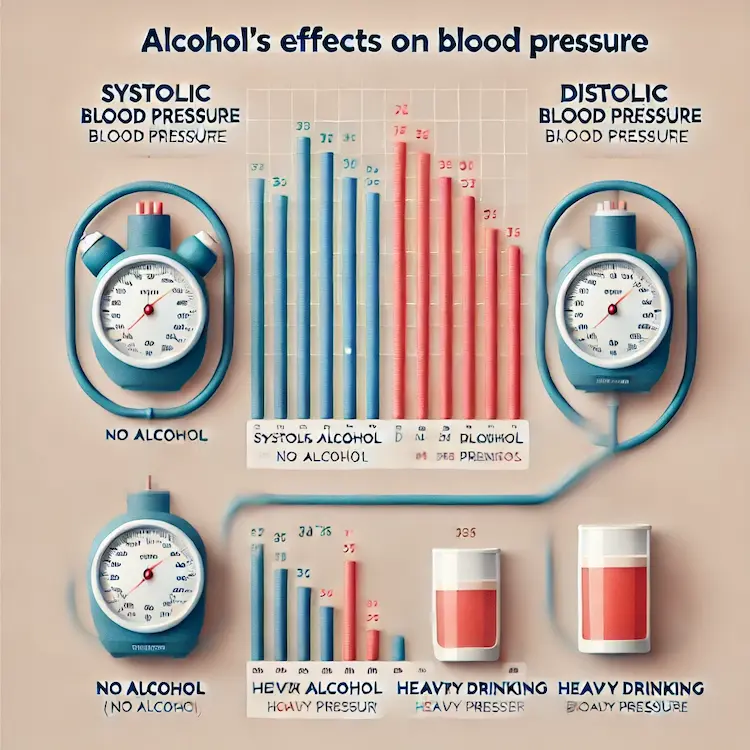
Alcohol affects blood pressure through multiple mechanisms, with both short-term and long-term effects. In the short term, alcohol consumption causes vasodilation, which initially lowers blood pressure. However, as the body metabolizes alcohol, there is a compensatory increase in sympathetic nervous system activity, leading to vasoconstriction and an eventual rise in blood pressure.
Over time, chronic alcohol intake leads to the thickening of blood vessels and an increase in heart rate, contributing to sustained hypertension. Alcohol’s role in disrupting the balance of certain hormones, such as renin and aldosterone, further complicates its effect on blood pressure regulation.
Recent research findings highlight the following statistics:
These studies reinforce the idea that alcohol plays a significant role in the development and exacerbation of hypertension, particularly with heavy or chronic use.
A variety of methods are used to assess the impact of alcohol on blood pressure. The most common approaches include observational studies, clinical trials, and epidemiological surveys. These studies often employ tools like blood pressure monitoring devices, self-reported alcohol consumption surveys, and biomarkers for alcohol consumption (such as blood alcohol levels and liver enzymes).
One approach involves monitoring blood pressure before and after alcohol consumption in controlled settings. For instance, a study might require participants to abstain from alcohol for a period and then measure their blood pressure response after consuming a specific quantity of alcohol. These studies aim to demonstrate the immediate effects of alcohol on blood pressure.
Another approach involves long-term cohort studies, which track individuals over several years to assess how chronic alcohol consumption affects blood pressure over time. These studies typically use a combination of self-reported alcohol intake data and regular blood pressure measurements.

| Method | Strengths | Limitations | Effectiveness |
|---|---|---|---|
| Observational Studies | Large sample size, real-world relevance | Self-reporting bias, confounding factors | Moderate |
| Clinical Trials | Controlled environment, reliable data | Ethical considerations, small sample size | High |
| Cohort Studies | Long-term data, comprehensive | Time-consuming, expensive | High |
Alcohol-related hypertension is a significant concern in both clinical and real-world settings. In clinical practice, healthcare providers frequently counsel patients with high blood pressure on the importance of moderating alcohol consumption. Public health campaigns also emphasize the risks of heavy drinking and its potential to exacerbate or even cause hypertension.
Several case studies exemplify the impact of alcohol on blood pressure management:
Expert insights from Dr. Michael Thompson, a cardiologist, emphasize, “Reducing alcohol intake, even in the absence of other lifestyle changes, can lead to significant improvements in blood pressure control.”
Despite the clear benefits of reducing alcohol consumption, many individuals struggle to change their drinking habits due to social pressures, addiction, or lack of awareness. Some challenges include the stigma associated with alcohol reduction, limited access to treatment programs, and lack of motivation.
Mitigation strategies include increasing public awareness through education campaigns, integrating alcohol consumption assessments into routine health screenings, and offering counseling and support groups for individuals with alcohol dependency. Additionally, physicians can provide more proactive advice on alcohol’s role in hypertension management.
As the understanding of alcohol’s impact on blood pressure continues to evolve, researchers are focusing on the genetic and environmental factors that influence how alcohol affects blood pressure. Advances in personalized medicine may allow healthcare providers to offer tailored recommendations for alcohol consumption based on individual genetic profiles and lifestyle factors.
The impact of alcohol on blood pressure is a significant health issue that requires attention and awareness. Key takeaways include:
In conclusion, individuals who are concerned about their blood pressure should consider moderating their alcohol intake. Regular monitoring and seeking professional advice are essential for maintaining healthy blood pressure levels.
Call to Action: If you’re struggling with high blood pressure, consider consulting your healthcare provider about reducing alcohol consumption as a part of your blood pressure management strategy.