

Telehealth has revolutionized healthcare delivery, offering remote monitoring and consultation capabilities that are especially critical for managing chronic conditions like hypertension. Blood pressure monitoring via telehealth bridges the gap between traditional in-office visits and modern technology, providing patients with convenient, real-time insights into their health. This article explores the role telehealth plays in blood pressure management, its benefits, tools, and the impact on both individual health and societal well-being.
Blood pressure is a key indicator of cardiovascular health. High blood pressure, or hypertension, affects nearly 1.28 billion people globally (WHO, 2021). Left unmanaged, it can lead to serious complications like heart attack, stroke, and kidney disease. Regular monitoring is essential for early detection and ongoing management.
Telehealth relies on connected health devices like smart blood pressure cuffs, which sync data to mobile apps or healthcare provider portals. These devices allow:
Patients can consult with specialists remotely via telehealth platforms, reducing the need for frequent in-person visits. This is particularly beneficial for individuals in rural or underserved areas.
Telehealth platforms use AI algorithms to analyze data and provide insights, such as predicting hypertension risks based on historical trends.
| Method | Advantages | Challenges |
|---|---|---|
| In-Clinic Monitoring | Accurate and supervised by professionals. | Limited to scheduled visits. |
| Home Monitoring Devices | Convenient, promotes regular tracking. | Potential for user error, device costs. |
| Telehealth Monitoring | Real-time data sharing, continuous insights. | Requires internet access and tech skills. |
A 2023 study in The Lancet found that patients using telehealth for hypertension management had a 30% improvement in blood pressure control compared to traditional methods.
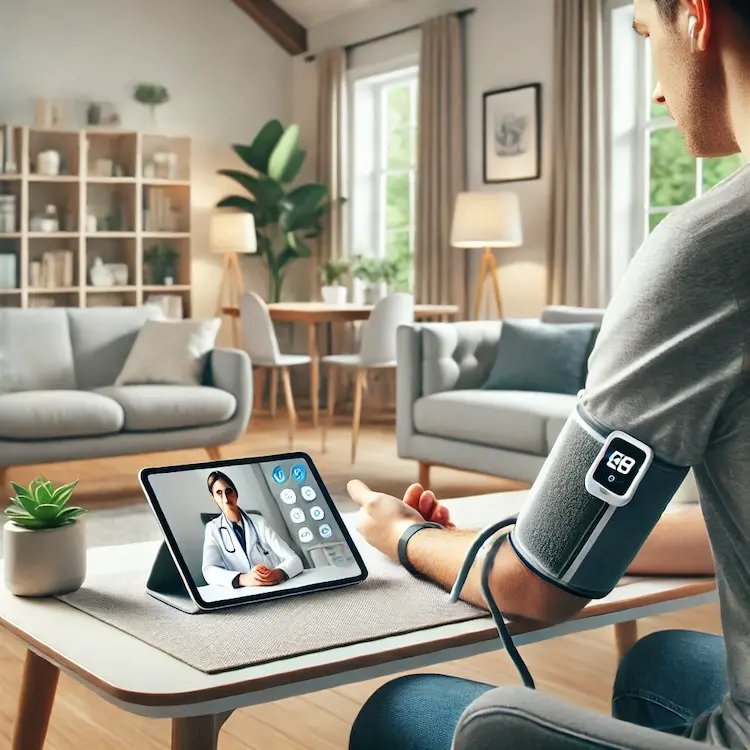
The integration of wearable technology and AI will further enhance telehealth capabilities, making blood pressure monitoring even more precise and personalized. Future advancements might include predictive analytics to anticipate hypertension risks before symptoms appear.
Telehealth has become an indispensable tool in managing hypertension, providing a cost-effective, accessible, and efficient way to monitor and maintain blood pressure levels. By combining advanced technology with medical expertise, telehealth empowers patients and transforms the healthcare landscape. To make the most of these innovations, individuals should adopt reliable tools, engage actively with their healthcare providers, and stay informed about emerging trends.